2026-10-02 · Alex Petrov
Preparing Your Vehicle for Winter Transport in Highland Park
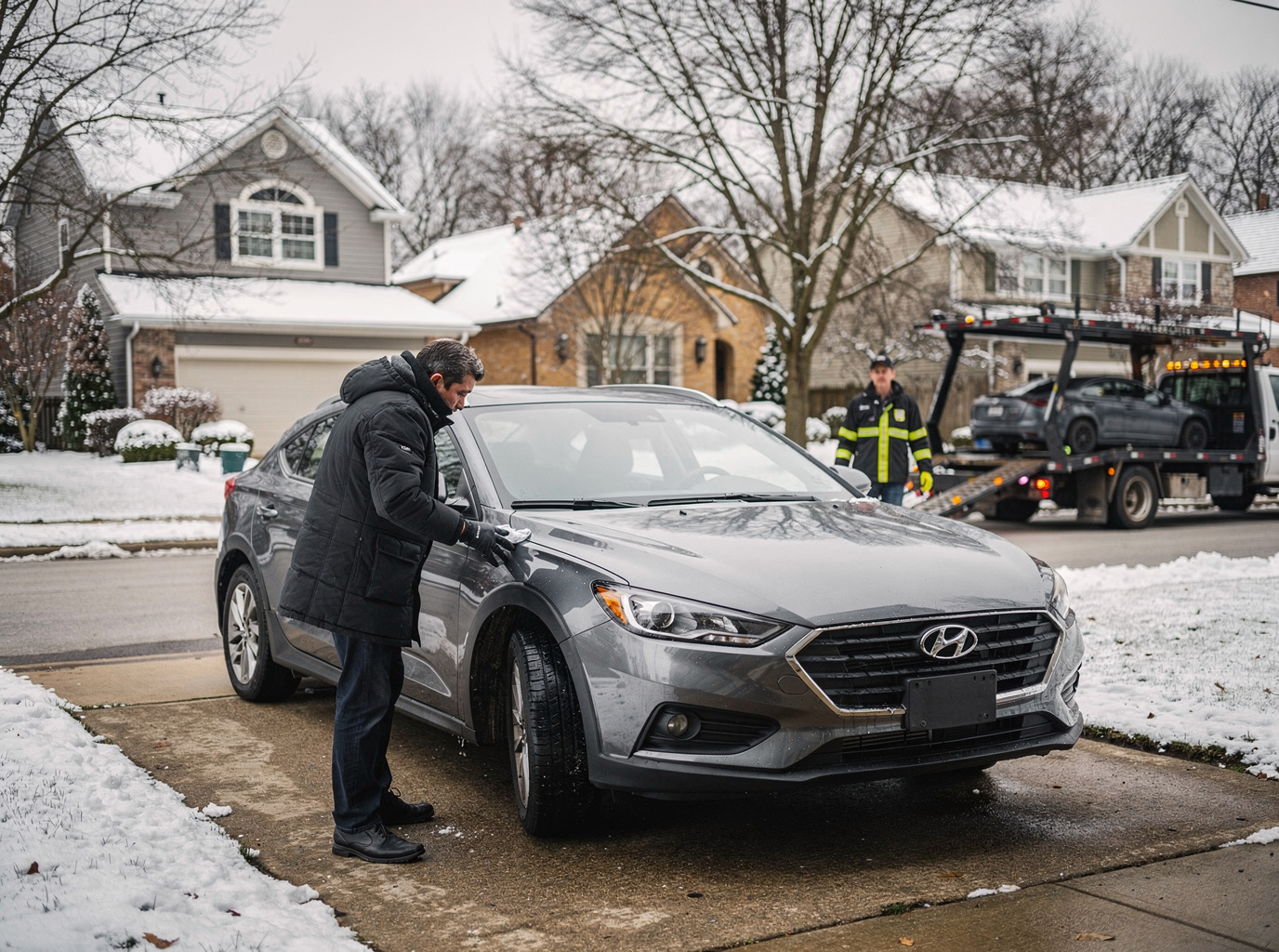
Preparing your vehicle for winter transport from Highland Park is crucial, especially given Lake County's four-season climate, which includes significant cold and snow once winter temperatures drop. The primary steps involve ensuring your battery is fully charged, all fluids are topped off and rated for freezing temperatures, tires are properly inflated, and the vehicle is thoroughly cleaned and inspected. These preparations mitigate risks associated with cold weather, road salt, and potential delays, ensuring your car arrives at its destination in the best possible condition, whether it's heading to a warmer climate or just across the region to nearby Highwood or Deerfield.
Battery and Electrical System Checks
A robust battery is paramount for any vehicle transport, particularly when facing the chill of a Highland Park winter. Cold weather significantly reduces battery efficiency, and a weak battery can fail entirely during transit, especially if the vehicle sits for extended periods. Before transport, have your battery tested to ensure it holds a full charge. If it's older than 3–5 years, consider having it replaced, as cold can exacerbate existing weaknesses. Additionally, ensure all electrical components, such as lights and radio, are turned off to prevent any parasitic drain. Disconnecting the battery's negative terminal is often recommended for long-distance transport, but confirm this with Quantum Auto Transport directly, as some carriers prefer an operational battery for loading and unloading processes. This prevents unexpected power drains and ensures the vehicle is ready to start upon arrival.
Fluid Management for Freezing Temperatures
Given that Highland Park experiences freezing temperatures, managing your vehicle's fluids is a critical step in winter preparation. Ensure your antifreeze/coolant mixture is at the correct 50/50 ratio, providing protection down to approximately -34°F (-37°C). Check your windshield wiper fluid reservoir and top it off with a winter-grade solution designed to resist freezing. Standard wiper fluid can freeze in transit, potentially damaging the pump or lines. For diesel vehicles, ensure your fuel tank contains a winter-blend diesel fuel or an anti-gelling additive to prevent fuel gelling in extreme cold. While your vehicle won't be running during transport, these precautions prevent fluid-related issues that could arise from prolonged exposure to sub-zero temperatures, especially if the vehicle is being moved via Open Car Transport where it's exposed to the elements.
Tire Pressure and Condition
Proper tire maintenance is always important, but it takes on added significance for winter auto transport from areas like Highland Park, which can see significant temperature fluctuations. Cold air causes tire pressure to drop, so inflate your tires to the manufacturer's recommended PSI (found on a sticker inside the driver's side door jamb) just before transport. This prevents flat spots from forming during extended periods of sitting and ensures the tires are ready for immediate use upon delivery. Inspect your tires for any significant wear, bulges, or cuts. While the vehicle won't be driven, tires in poor condition could be more susceptible to damage during loading, unloading, or if the vehicle needs to be moved short distances at the destination. If you have winter tires installed, ensure they are properly inflated as well; there's no need to remove them for transport.
Cleaning and Personal Item Removal
Before your vehicle leaves your home in Ravinia or near Port Clinton Square, a thorough cleaning and removal of personal items are essential. Wash your vehicle to remove any accumulated road salt, dirt, or debris. This isn't just for aesthetics; it helps in accurately documenting the vehicle's pre-transport condition and prevents abrasive materials from potentially scratching the paint during transit. More importantly, remove all personal belongings from the interior and trunk. This includes everything from loose change and charging cables to important documents and electronic devices. Auto transport carriers are generally not insured for personal items, and any valuables left inside are at your own risk. Only factory-installed equipment should remain in the vehicle. This step protects your belongings and streamlines the inspection process at both pickup and delivery.
Securing Loose Parts and Exterior Elements
The journey from Highland Park, whether it's across Lake County or further afield, can expose your vehicle to various conditions, especially if you opt for Open Car Transport. To prevent damage, secure or remove any loose exterior parts. This includes:
- Antennas: Retract or remove power antennas.
- Spoilers/Ground Effects: If aftermarket and not securely fastened, consider removing them.
- Roof Racks/Bike Racks: Remove any detachable racks that are not factory-installed.
- License Plates: While not always required, some owners remove their plates for security, especially if the vehicle is traveling a long distance.
- Loose Hubcaps: Secure them or remove them and place them inside the vehicle.
These precautions minimize the risk of parts detaching or being damaged by wind resistance or road vibrations during transit, especially on longer hauls through varied weather conditions.